

Edina Botweku
Culture & Heritage
Five Centuries · Five Eras
From Anomansa to Independence
The timeline below is interactive. Select each era to reveal its history.

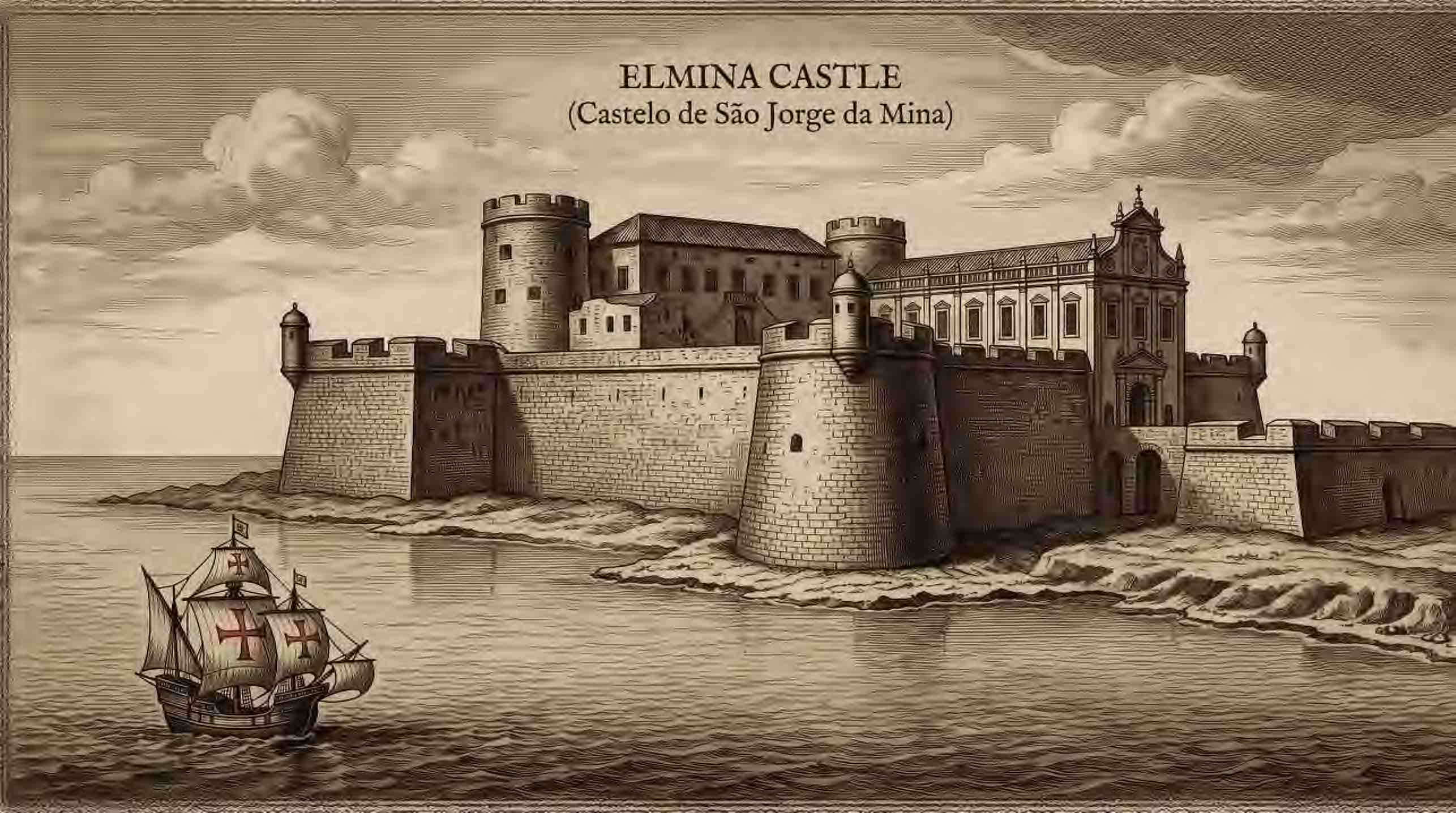
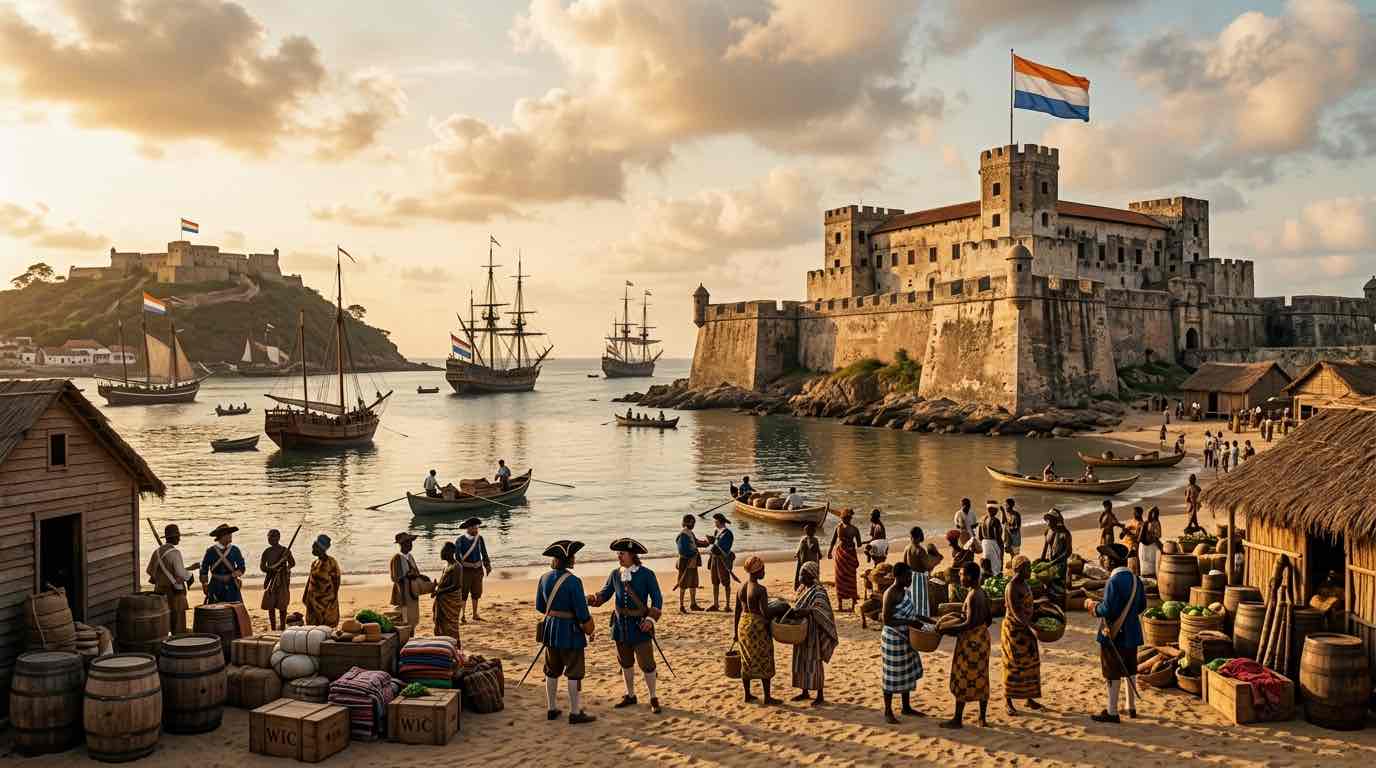
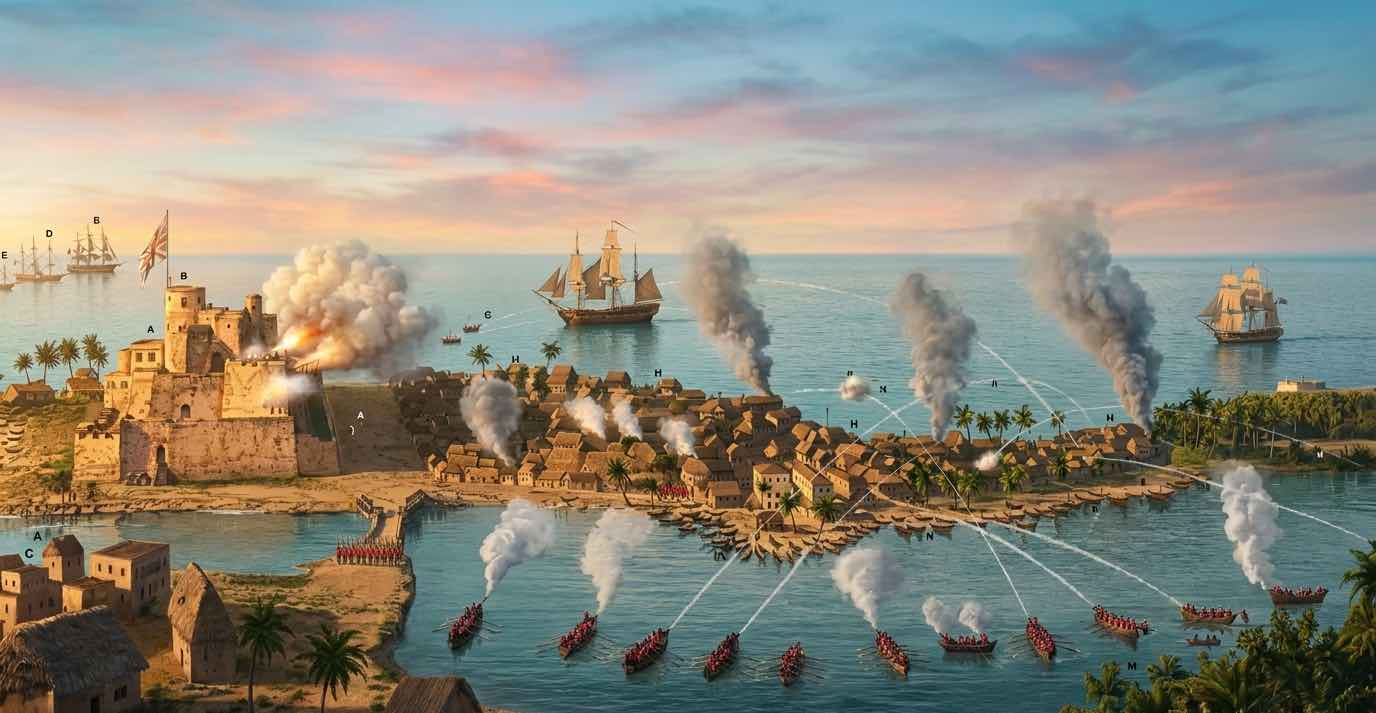
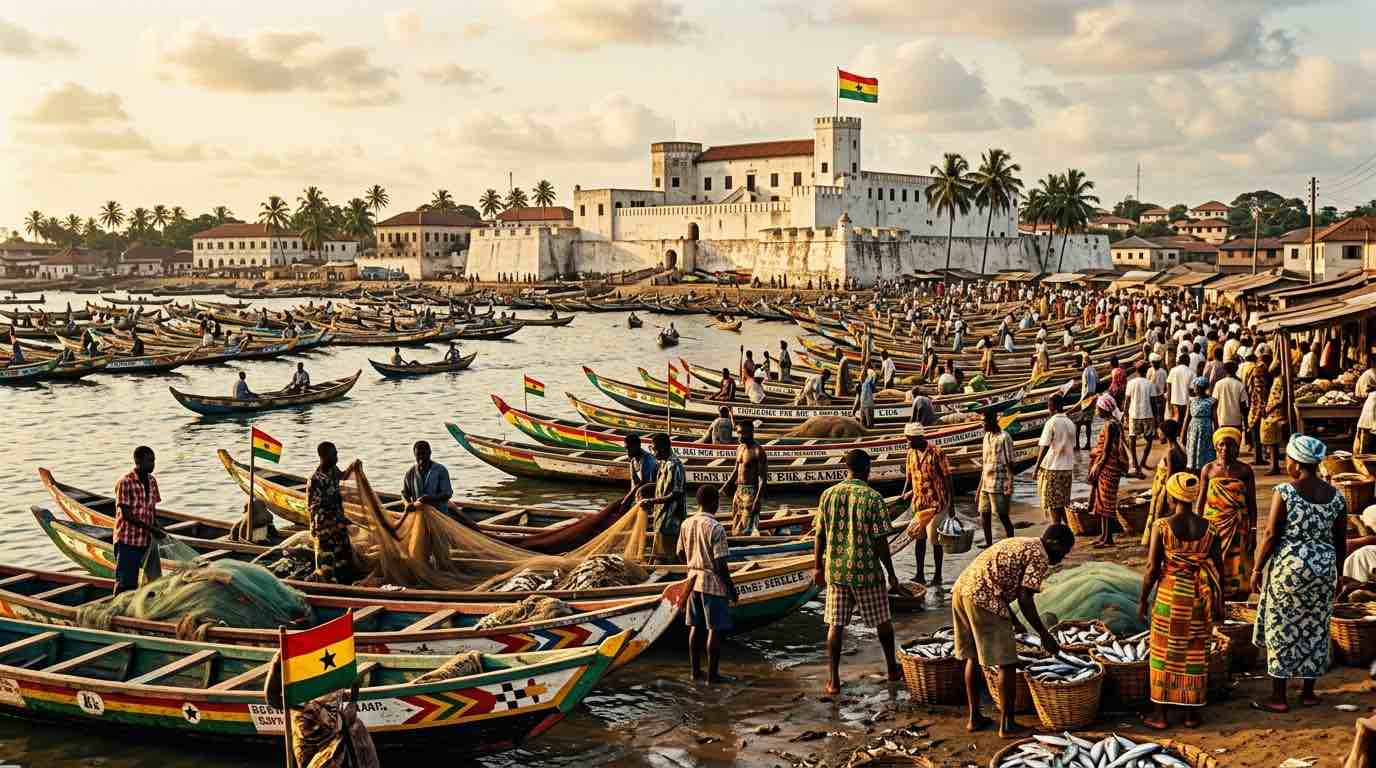
Tap an era to expand
Intangible Heritage
Living Traditions

The practices, expressions, knowledge and skills that Elmina's communities recognise as part of their cultural heritage.

Traditional Authority & Governance
Led by the Edinamanhen and the Asafo Besoun, the Edina Traditional Council remains the working government of Edinaman.

Social Structure & Identity
Ten Ebusua descended from the matriarch Ekuwa Akon, seven still active in Edinaman, each with its own totem.

Collective Memory & Knowledge
How Edinaman remembers: the offices that hold the town's history, the forms in which it is recited, and the rules that govern who may speak it.
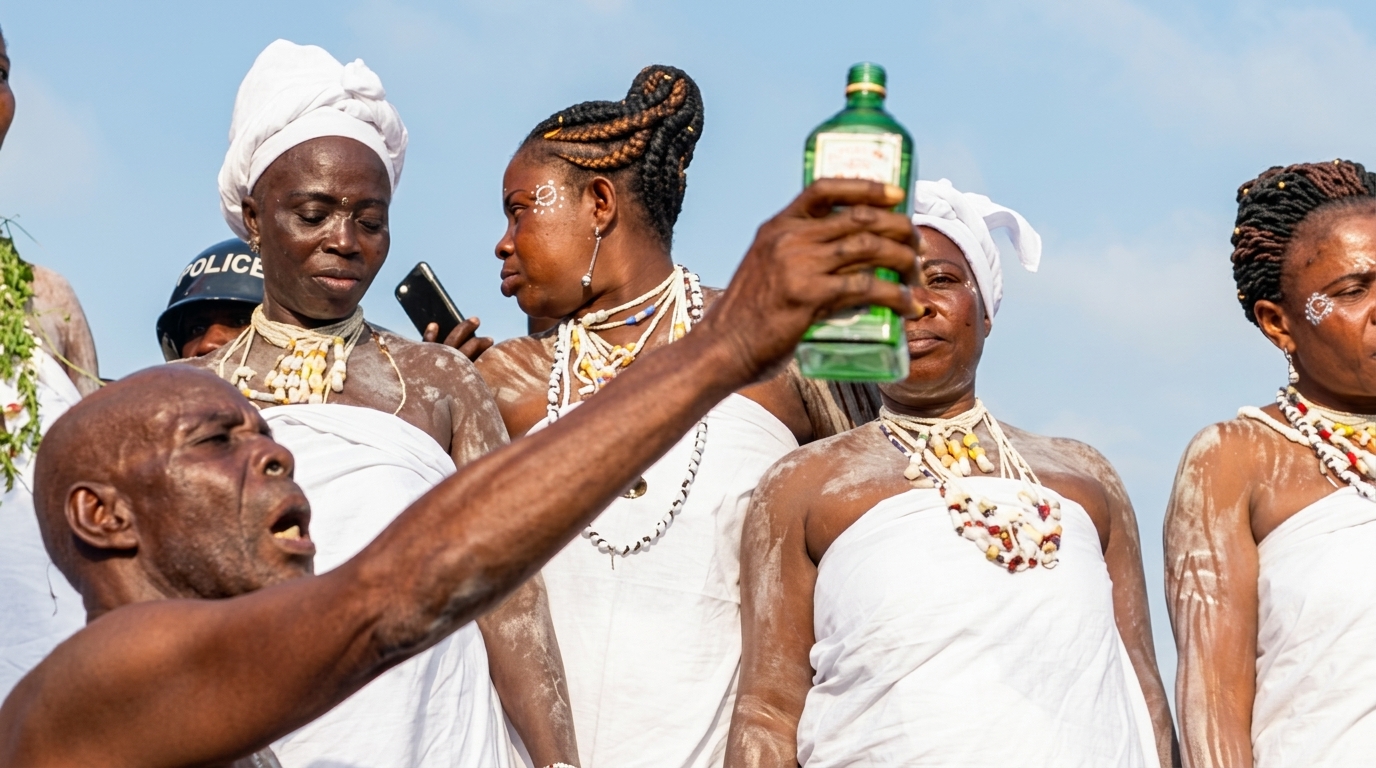
Spiritual & Cosmological Systems
Seventy-seven gods, the ancestors, and Nyankopɔn above them: one order, held together by libation.

Festivals & Ritual Expression
Edina Bakatue & Edina Bronya

Economic & Daily Life
A living archive of ecological mastery, this narrative explores Edinaman's intangible heritage through its historic relationship with the violent Atlantic surf and the sacred cultivation of its interior soil.
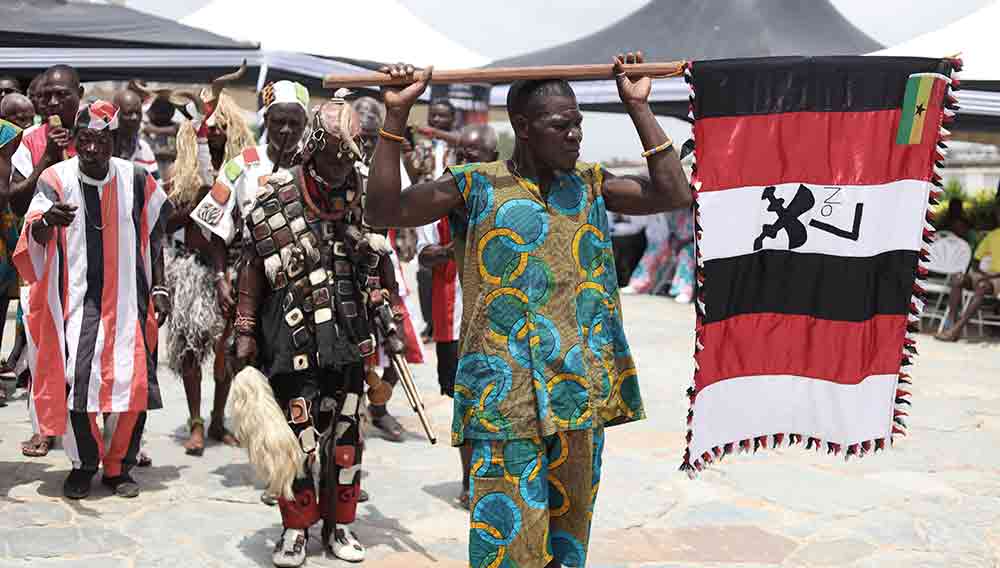
Performance & Communal Expression
Music and Asafo company traditions

Language & Oral Expression
Fante language, proverbs, and literature
Tangible Heritage
Historic Sites & Structures

The physical landmarks, monuments, and places that bear witness to Elmina's extraordinary over five-hundred-year history.

The Ancestral Home
The old town of Elmina stood on the peninsula until 13 June 1873. This is the ground, what was on it, and why it was never rebuilt.

Elmina Castle
Castelo de São Jorge da Mina, 1482

Fort St. Jago
Fort St. Jago, historically Fort São Tiago da Mina, has stood watch over Elmina Castle and the Atlantic since the 1660s.

The Dutch Cemetery
Established in 1806, Elmina's Dutch Cemetery is one of the oldest formal burial grounds on the West African coast, a shared space where colonial officials, Euro-African families, and Ghanaian elites were laid to rest side by side.

Posuban Shrines
Asafo ceremonial structures

Elmina Fortified: The Watch Tower and the Ring of Redoubts
The watch tower on the eastern edge of the town and the redoubts on the hills above it: the system through which the Dutch held Elmina.

Nana Kobina Benya
The shrine of Nana Kobina Benya, the lead deity of Elmina, beside the Benya Lagoon.
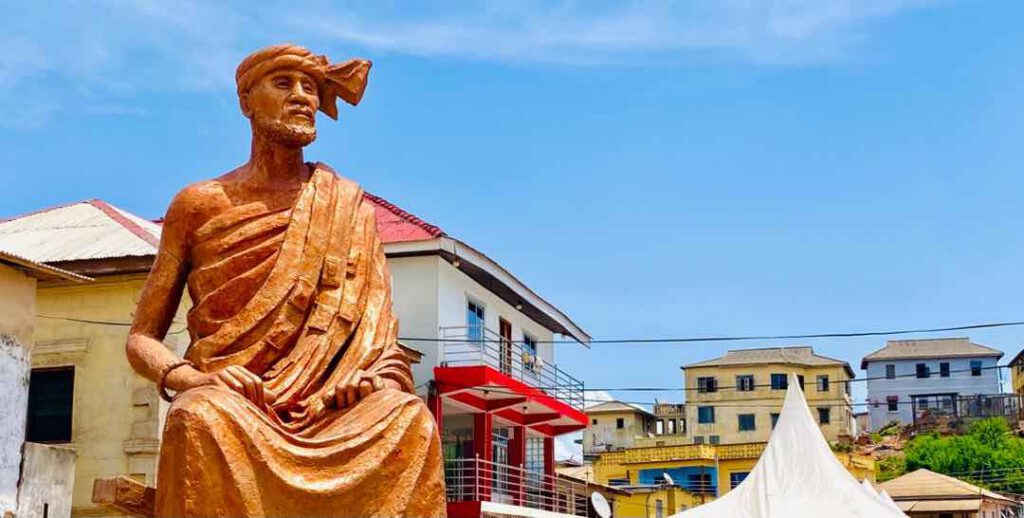
Nana Kobina Gyan I Square
At the centre of Elmina stands a square that was once called Victoria Park. In 2005 it was renamed Nana Kobina Gyan Square, and in May of that year a bronze statue of the king was placed at its centre. The square honours Nana Kobina Gyan I, the King of Elmina who refused to accept British rule, and who was sent into exile and saw his town destroyed for that refusal.
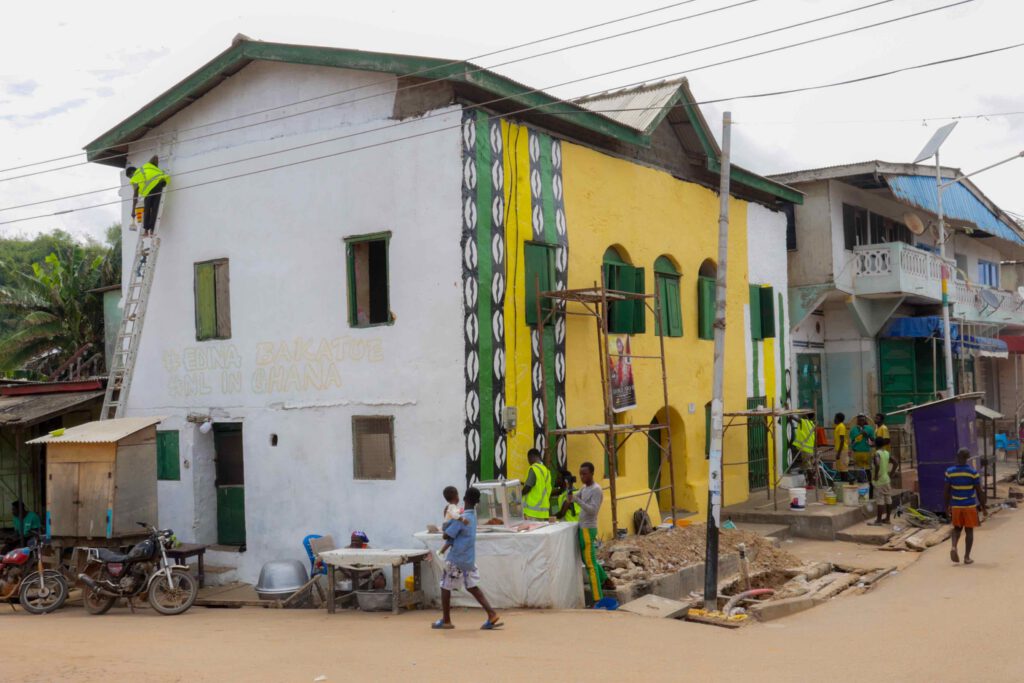
Colonial Architecture
Historic neighbourhood structure